For Hologic, sustainability is not a decorative annual report topic. It is a practical fleet question: which devices draw idle power, which assets can be refurbished responsibly, and which service habits reduce waste without weakening clinical readiness.
A regional community hospital came to Hologic with a familiar problem. The facility had aging diagnostic and care equipment, uneven documentation, and a capital budget that could not support replacing everything at once. The biomedical team suspected that several older systems were drawing unnecessary idle power, but the data lived in utility bills, service notes, and informal staff observations.
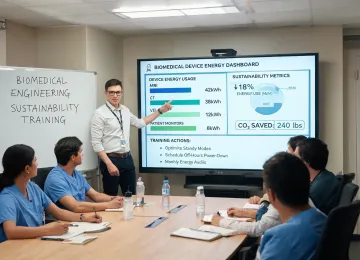
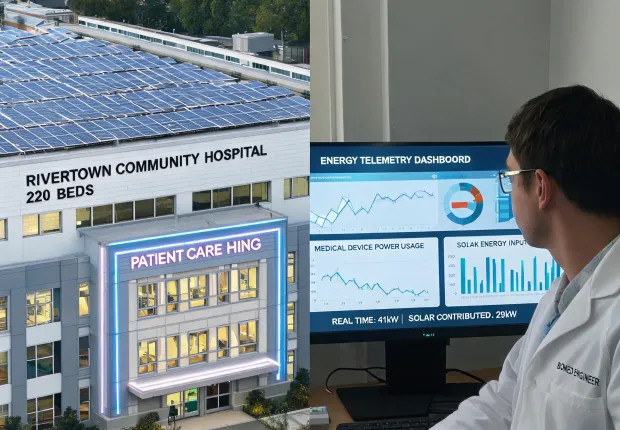
Hologic helped the team segment the fleet by clinical risk, service burden, energy draw, and documentation quality. The first phase focused on devices that could be upgraded or replaced without changing the hospital's clinical model. The second phase added remote telemetry for selected assets, creating a simple dashboard for idle draw, service events, and utilization.
Sustainability is not a luxury for community hospitals. It is a survival skill when every capital dollar has to protect clinical access.
The result was a staged refresh that reduced device-related energy consumption, improved PM visibility, and gave leadership a better way to decide what should be repaired, refurbished, recycled, or replaced. No single change produced the full result. The value came from combining service records, energy data, and clinical scheduling in a way that department leaders could trust.
Start with always-on equipment, aging monitors, benchtop lab devices, chargers, and systems with long standby periods. Hologic can help compare utilization, PM history, and energy telemetry to identify realistic candidates for refresh or scheduling changes.
Any reuse discussion must include validated cleaning instructions, compatibility with disinfectants or sterilization methods, traceability, and infection prevention review. We do not recommend reuse where labeling or facility policy does not support it.
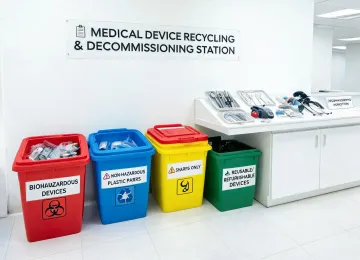
Yes, when chain of custody, data removal, hazardous material handling, and local regulations are addressed. Hologic supports decommissioning plans that separate resale, parts recovery, certified recycling, and records retention.
Not necessarily. Device telemetry can often be separated from protected health information. The implementation should review data fields, access controls, encryption, retention, and business associate requirements before integration.
Share your current fleet age, service burden, and care setting. Hologic will outline practical steps for refresh sequencing, decommissioning records, and service-aware sustainability.